
Integrative Medicine Gold Coast
Coordinated, root-cause care for complex and chronic health conditions — combining the best of clinical science and advanced therapies where conventional medicine has reached its limits.
Chronic pain | Neurological conditions | Mental health | Gut disorders | Autoimmune | Complex & unexplained conditions
What is integrative medicine?
Integrative medicine is an approach to healthcare that combines the precision of modern clinical science with a whole-person, root-cause perspective. Rather than treating individual symptoms or body systems in isolation, integrative medicine asks: why is this happening — and what does the whole picture look like?
It brings together evidence-based therapies from multiple disciplines — musculoskeletal medicine, neuroscience, functional medicine, and advanced physical therapies — and applies them in a coordinated, personalised way. The goal is not just symptom management, but genuine, measurable, lasting improvement in your health.
At Recuperate Health, integrative medicine is the philosophy that underpins everything we do. Every patient is assessed as a whole — their structure, nervous system, gut, brain, mental health, and lifestyle — before a treatment plan is built from the therapies most relevant to their specific situation.
The key difference
Conventional medicine is excellent at acute care and diagnosis. Where it often falls short is chronic, complex, and multi-system conditions — the patients who've seen multiple specialists, had normal test results, and still feel terrible. Integrative medicine is designed precisely for these patients.
Who is integrative medicine for?
Integrative medicine is particularly powerful for anyone whose health condition is complex, chronic, or hasn't responded adequately to standard treatment. Common presentations we see include:
Chronic pain
Pain that has lasted months or years and hasn't resolved with standard treatment — back pain, nerve pain, widespread pain, fibromyalgia
Neurological conditions
Traumatic brain injury, Parkinson's, post-concussion syndrome, cognitive decline, neuropathy
Mental health
Depression, anxiety, PTSD, and trauma — especially where medication hasn't provided adequate relief
Gut disorders
IBS, reflux, bloating, digestive dysfunction — particularly where the gut-brain connection is a driver
Nervous system dysregulation
Chronic stress, burnout, sleep disorders, inflammatory conditions — driven by vagal dysfunction or nervous system overactivation
Complex & unexplained conditions
Normal test results but ongoing symptoms — the patients who've been told "there's nothing wrong" but clearly feel otherwise
Have you been told your results are normal? Many complex conditions — including nervous system dysregulation, vagal dysfunction, central sensitisation, and early neurological changes — don't show up on standard blood tests or imaging. Integrative medicine looks further.
Meet your practitioner — Sam
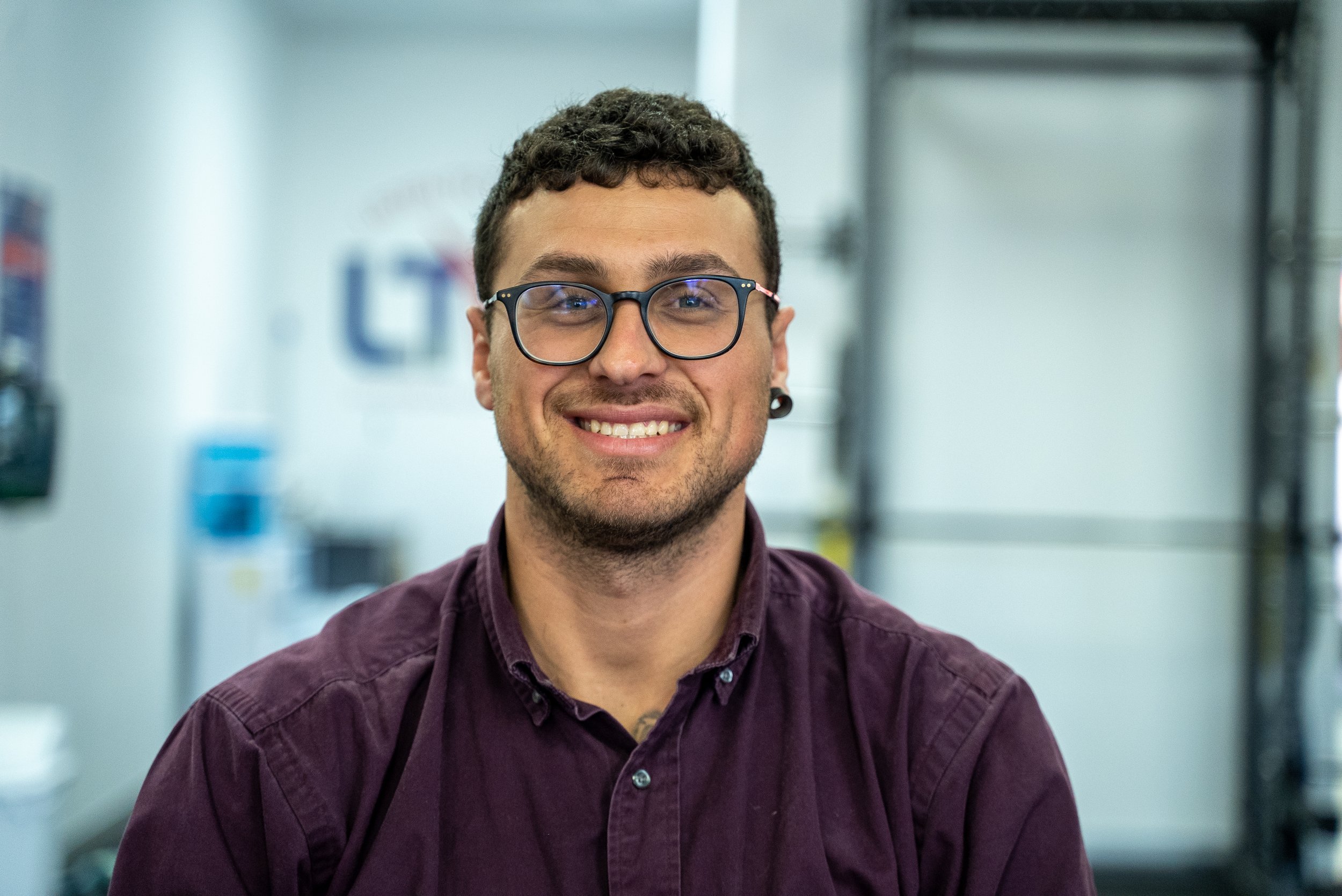
Sam
Founder · Recuperate Health · Gold Coast
Sam began his clinical career in 2012 as an exercise specialist before moving into elite sports medicine — working with Olympians and international athletes as Head Myotherapist at the World Table Tennis Championships. He has treated Commonwealth Games swimmers and members of the Australian Field Hockey Masters team.
After completing his Bachelor of Health Science in Musculoskeletal Therapy, years of treating complex and chronic conditions revealed a gap: patients needed a practitioner who could integrate multiple disciplines simultaneously, not refer them around a fragmented system. Sam is currently completing his Masters of Integrative Medicine at Southern Cross University to formalise this whole-person approach and develop a new standard of care for complex chronic conditions on the Gold Coast.
He is one of very few Australian practitioners trained in transcutaneous vagus nerve stimulation, clinical photobiomodulation, electrotherapeutic dry needling, and brainspotting — combining them under a single coordinated treatment philosophy.
BHSc Musculoskeletal TherapyMasters of Integrative Medicine (SCU, in progress)Vagus Nerve StimulationClinical PhotobiomodulationCertified Brainspotting PractitionerWorld Table Tennis Championships — Head Myotherapist
Our approach - How integrative care works at Recuperate Health
Integrative medicine isn't about throwing every therapy at a patient at once. It's about understanding the full picture first — then applying exactly the right combination of evidence-based treatments for that specific person.
Comprehensive whole-person assessment
Your initial consultation (60–90 minutes) covers your full health history, previous investigations and treatments, structural assessment, neurological function, gut health, sleep, stress, and lifestyle — looking for patterns and interactions that standard consultations miss.
Root cause identification
We identify not just what is wrong, but why — including the primary drivers, the contributing factors, and the interactions between body systems. For many patients, this is the first time someone has connected the dots between their symptoms.
Personalised treatment plan
Your treatment plan is built from the specific combination of therapies best suited to your condition — which might include musculoskeletal therapy, vagus nerve stimulation, photobiomodulation, electro dry needling, shockwave, brainspotting, or a combination. Multiple therapies are often delivered in a single session.
Measurable progress tracking
We set clear, measurable goals and assess progress at each session — adjusting the approach as your body responds. You'll always know what we're targeting and why.
Home programme and long-term support
Where relevant, you'll receive a personalised home programme — exercises, nervous system practices, and lifestyle strategies — to sustain and extend the gains from clinical treatment.
The therapies we draw from
Our integrative approach brings together advanced, evidence-based therapies that work synergistically — each addressing a different layer of your health. Click through to learn more about each:
Musculoskeletal Therapy
Advanced assessment and treatment of muscles, joints, nerves and the brain
Learn more
Vagus Nerve Stimulation
Rebalancing the nervous system for anxiety, depression, gut health & chronic pain
Electro Dry Needling
Advanced needling with electrical stimulation for deep, lasting pain relief
Musculoskeletal Therapy
Advanced assessment and treatment of muscles, joints, nerves and the brain
Reviews
★★★★★
Sam is truly such a beautiful caring soul. He listens, understands, and does everything he possibly can for you. He has helped me immensely.
★★★★★
Sam helped me through crippling anxiety and panic attacks using vagus nerve stimulation. The difference it has made in my life is honestly life-changing.
★★★★★
Sam fixed my nerve pain and bulging disc — I was in pain for years. Finally free from it. 100% recommended.
★★★★★
From the moment I walked in, Sam made me feel comfortable. The space he has created is welcoming and he is a world of knowledge. I walked out pain free and lighter.
Frequently Asked Questions
What is integrative medicine and how is it different from conventional care?
Integrative medicine combines the best of conventional clinical science with a whole-person, root-cause philosophy. Rather than treating individual symptoms or body systems in isolation — as most specialist or GP consultations do — integrative medicine looks at how all your body systems interact and addresses the underlying drivers of your condition, not just its surface presentation.
I've seen multiple specialists and no one has helped. Can integrative medicine help?
This is exactly who integrative medicine is designed for. Many complex conditions fall between the cracks of specialist care — because each specialist looks at their own system in isolation, and no one is looking at the full picture. At Recuperate Health we specialise in connecting the dots between seemingly unrelated symptoms and finding the root cause that's been missed.
How long is an initial consultation?
Your initial consultation is comprehensive — typically 60–90 minutes. We take the time to properly understand your full health picture before recommending a treatment approach. Bring any previous test results, imaging, or specialist reports — the more context we have, the better.
Is integrative medicine evidence-based?
Yes. Every therapy we use at Recuperate Health is evidence-based — supported by peer-reviewed clinical research. Integrative medicine doesn't replace conventional medicine; it expands on it by drawing on a wider toolkit of scientifically validated approaches and applying them in a coordinated, personalised way.
Will I need to stop other treatments I am currently having?
Not necessarily. Integrative medicine is designed to work alongside other care, not replace it. We'll discuss your current treatments at your assessment and advise on how best to coordinate everything — including any medications, specialist treatments, or other therapies you're receiving.
Recovery Is Not A Luxury.
It’s The Foundation For Performance.